
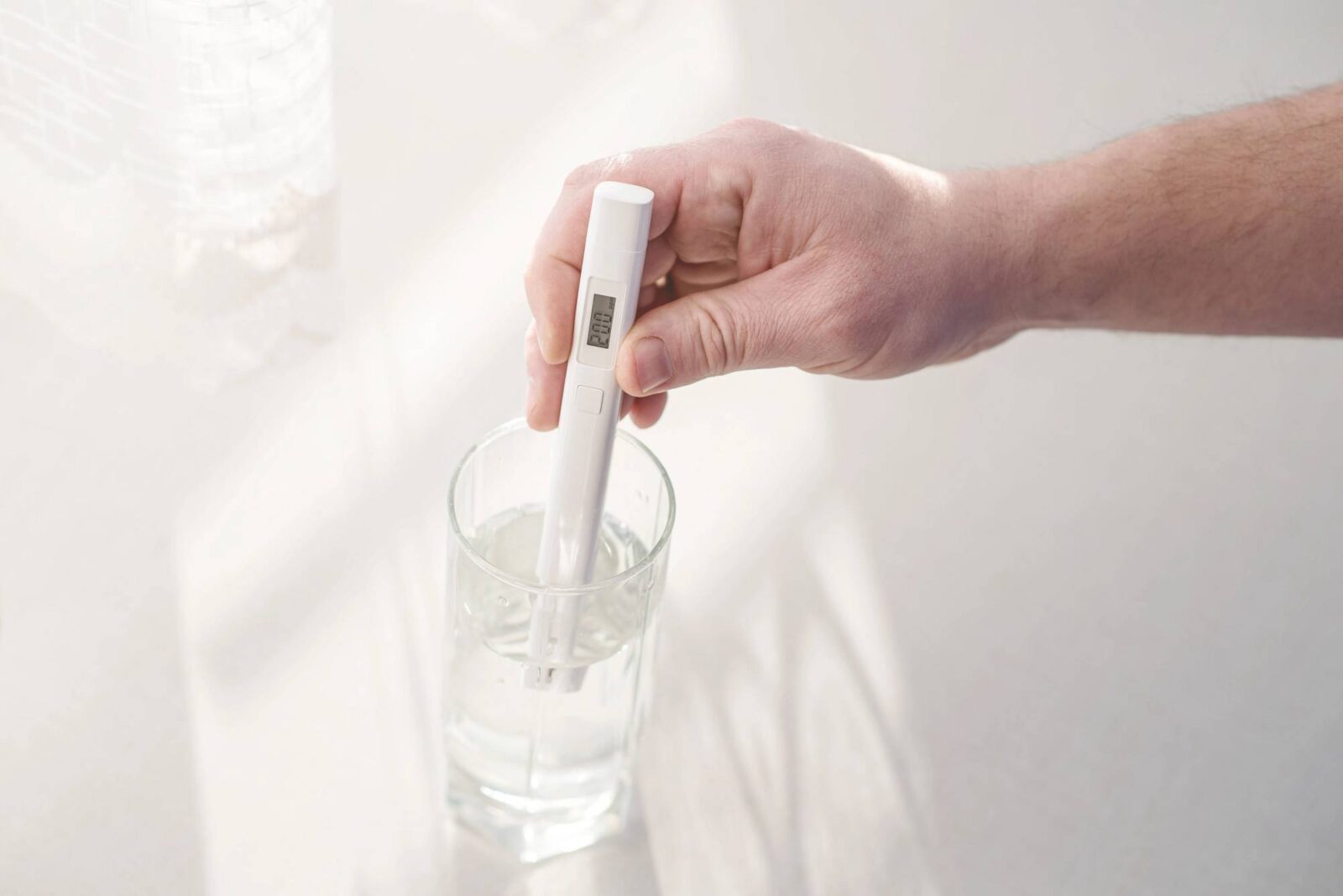
New York City’s drinking water is widely recognized for its quality, but the water reaching individual properties in Manhattan can vary due to factors such as plumbing, building age, and internal water systems. Water testing laboratory Manhattan analyzes water samples for contaminants, water chemistry, lead, bacteria, heavy metals, pH, hardness, and mineral content, providing accurate results that help property owners better understand their water quality and make informed decisions.
From historic neighborhoods with century-old brownstones to newly constructed residential towers, Manhattan’s buildings have vastly different plumbing systems and infrastructure. While the municipal water source remains consistent, aging pipes, private plumbing materials, storage systems, and maintenance practices can all influence the quality of the water that reaches individual faucets.
Why Water Quality Can Vary Across Manhattan
Many residents assume that everyone in Manhattan receives identical tap water. Although the city’s treatment process provides a reliable water supply, each property’s internal plumbing system creates unique conditions that affect water quality before it reaches the tap.
Common Factors That Influence Water Quality
- Age of the building
- Plumbing materials
- Pipe corrosion
- Water storage systems
- Household water usage
- Building maintenance history
- Recent plumbing repairs or renovations
These factors often explain why neighboring buildings can experience different water quality conditions despite sharing the same municipal water source.
Older Neighborhoods Often Have Aging Plumbing
Many Manhattan neighborhoods feature pre-war apartment buildings, historic townhouses, and older commercial properties that still contain original or partially upgraded plumbing systems.
Common Plumbing Materials in Older Buildings
- Galvanized steel pipes
- Copper plumbing
- Lead service lines
- Brass fixtures
- Older solder connections
As these materials age, corrosion and mineral buildup may affect water clarity, taste, and overall quality.
Newer Buildings Have Different Challenges
Modern residential developments generally use newer plumbing materials that reduce many corrosion-related concerns. However, newly constructed buildings can still experience temporary water quality changes as plumbing systems are placed into regular use.
Residents may occasionally notice:
- Cloudy water caused by trapped air
- Minor sediment after construction
- Temporary mineral fluctuations
- Changes following plumbing installations
These conditions often improve over time, but professional testing provides confirmation that water quality remains within expected parameters.
The Role of Pipe Corrosion
Corrosion develops gradually as water interacts with plumbing materials over many years. Even when municipal water meets quality standards, corrosion within private plumbing can alter water before it reaches household faucets.
Possible Effects of Corrosion
- Metallic taste
- Brown or yellow discoloration
- Iron deposits
- Copper leaching
- Reduced water flow
Routine laboratory testing helps determine whether corrosion is contributing to changes in water quality.
Water Storage Tanks Can Influence Drinking Water
Many high-rise apartment buildings throughout Manhattan rely on rooftop water storage tanks to maintain water pressure.
Without proper maintenance, storage systems may contribute to:
- Sediment accumulation
- Debris buildup
- Changes in water clarity
- Unpleasant odors
- Microbial growth
Regular inspections and laboratory analysis help verify that stored water continues to meet quality expectations.
Household Water Usage Makes a Difference
Water quality is also affected by how frequently plumbing systems are used. Buildings with high occupancy generally experience more consistent water movement, while vacant units or seasonal residences may experience longer periods of stagnation.
Stagnant Water May Contribute To
- Metal leaching
- Changes in taste
- Odor development
- Sediment accumulation
- Reduced water freshness
Flushing plumbing after extended periods of inactivity is often recommended, but laboratory testing offers a more complete assessment of water quality.
Signs That Your Water Should Be Tested
Many contaminants are invisible, but certain changes may indicate that professional testing is appropriate.
- Brown, yellow, or cloudy water
- Metallic or unusual taste
- Visible particles or sediment
- Blue or green staining around fixtures
- Persistent odors
- Reduced water pressure
- Unexpected changes in water appearance
What a Professional Water Laboratory Can Test
A comprehensive water analysis evaluates multiple indicators that help determine the condition of your drinking water.
Common Laboratory Tests Include
- Lead analysis
- Copper testing
- Iron and manganese analysis
- Total coliform bacteria
- E. coli testing
- Water hardness
- pH analysis
- Chlorine levels
- Turbidity evaluation
The exact testing panel can be tailored to your property’s age, plumbing system, and specific concerns.
Benefits of Routine Water Testing
Regular laboratory testing provides valuable information that supports long-term property maintenance and water quality monitoring.
Advantages of Routine Testing
- Identify hidden plumbing issues early
- Monitor changes over time
- Evaluate filtration system performance
- Support preventive maintenance
- Improve confidence in drinking water quality
- Protect plumbing fixtures and appliances
Tips for Maintaining Better Tap Water Quality
While professional testing provides valuable insights, routine maintenance also plays an important role in preserving water quality.
- Schedule periodic laboratory testing.
- Inspect plumbing systems regularly.
- Flush water after extended vacancies.
- Maintain rooftop storage tanks.
- Replace aging plumbing components when necessary.
- Address plumbing leaks promptly.
Frequently Asked Questions
Does water quality differ between Manhattan neighborhoods?
The municipal water supply is generally consistent, but water quality at the tap can differ because of variations in building age, plumbing materials, maintenance history, and internal water systems.
Should newer buildings also have their water tested?
Yes. Even modern properties can benefit from routine water testing to evaluate plumbing performance, identify temporary construction-related changes, and establish baseline water quality.
Can water look clear but still contain contaminants?
Yes. Many contaminants cannot be detected by appearance, taste, or odor. Laboratory testing is the most reliable way to evaluate drinking water quality.
How often should apartment buildings or homeowners test their water?
The ideal testing frequency depends on factors such as building age, plumbing condition, occupancy, and previous water quality results. Older buildings or properties with recurring concerns may benefit from more frequent testing.
Conclusion
Tap water quality across Manhattan neighborhoods is influenced by much more than the municipal water supply. Building age, plumbing materials, corrosion, water storage systems, and maintenance practices all contribute to the quality of the water delivered to homes and apartment buildings.
Whether you own a townhouse, manage a residential property, oversee a commercial building, or simply want greater confidence in your drinking water, professional laboratory testing provides the information needed to understand your property’s unique water conditions. Olympian Water Testing offers comprehensive water analysis services throughout Manhattan, delivering accurate laboratory results and expert guidance to help protect your property’s water quality now and in the future.