
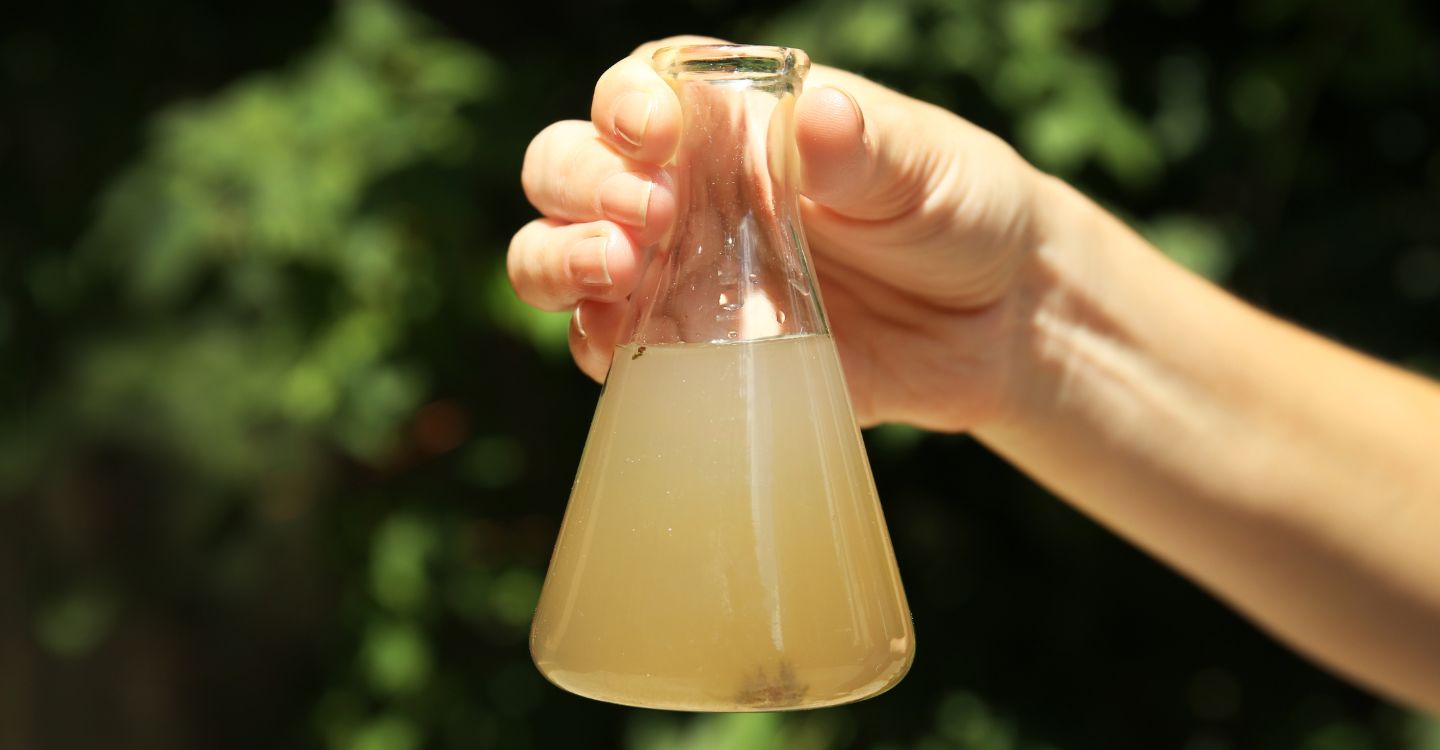
Connecting with a water testing laboratory Brooklyn is the most effective way to safeguard your family’s health and ensure true peace of mind. Rather than waiting until you experience a strange taste, metallic odor, or discolored water to start asking questions, professional testing provides you with clear and accurate data about exactly what is in your pipes. This proactive approach eliminates the stress of reactive troubleshooting by identifying underlying concerns early, which empowers you to implement targeted solutions and maintain a healthy home environment.
The reality of living in a borough with a historic housing stock is that your tap water’s journey from the city main to your glass is influenced by the unique “plumbing history” of your specific building.
Why You Can’t Rely on “General” Assumptions
It is easy to assume that because the city provides high-quality water, the water coming out of your kitchen faucet must be the same. While the source water is excellent, the internal pipes, solder, and fixtures in your building can add “chapters” to your water’s story that the city reports simply cannot see.
- The “Last Mile” Effect: Lead, copper, and iron can leach from aging pipes or fixtures long after the water has left the municipal system. These contaminants are often invisible, odorless, and tasteless.
- The Danger of Stagnation: In many older buildings, water that sits in pipes overnight picks up more minerals and metals. If you are using that “first-draw” water for coffee, tea, or baby formula, you are likely consuming the most concentrated levels of these potential contaminants.
- The “One-Size-Fits-All” Myth: Your neighbor’s water quality may be entirely different from yours, even in the same building. Differences in pipe length, local fixture quality, and individual usage patterns mean that your unit’s water profile is unique.
The Proactive Family Action Plan
You don’t need to be a professional plumber to take control. You can shift from reactive guessing to data-driven security by following these steps:
- Stop Guessing and Start Testing: Never rely on DIY kits from a hardware store for critical health decisions. Always use a laboratory that is NYS ELAP-certified. These labs are held to strict government standards, ensuring that the results you get are accurate and scientifically defensible.
- Focus on “First-Draw” Samples: If you are worried about lead or copper, perform a “first-draw” test. This involves taking a sample after the water has been sitting in the pipes for at least 12 hours (like first thing in the morning). This gives you the “worst-case scenario” data, which is the most important measurement for your family’s protection.
- Understand Your Building’s History: If you live in a pre-1980s building, be aware that lead solder or old brass fixtures are common. Knowing this helps you and a professional determine if your risk is truly high or just a matter of standard maintenance.
- Use Targeted Solutions: If testing reveals an issue, don’t rush to buy expensive, building-wide systems. Often, simple, targeted solutions—such as replacing an old kitchen faucet, installing a lead-certified point-of-use filter, or adopting a flushing routine—are all that is needed to keep your family safe.
Taking Control of Your Home’s Health
Your family deserves better than “learning the hard way.” By moving to a proactive, tested approach, you can trade uncertainty for actionable data.
- Need clear, objective answers? Contact a certified professional to discuss a testing plan tailored to your home’s specific needs.
- Want to learn the basics? Explore our FAQ section for clear, simple explanations of common Bronx water quality concerns.
- Stay informed: Check our latest blog posts for ongoing tips on maintaining a healthy, safe home environment.