
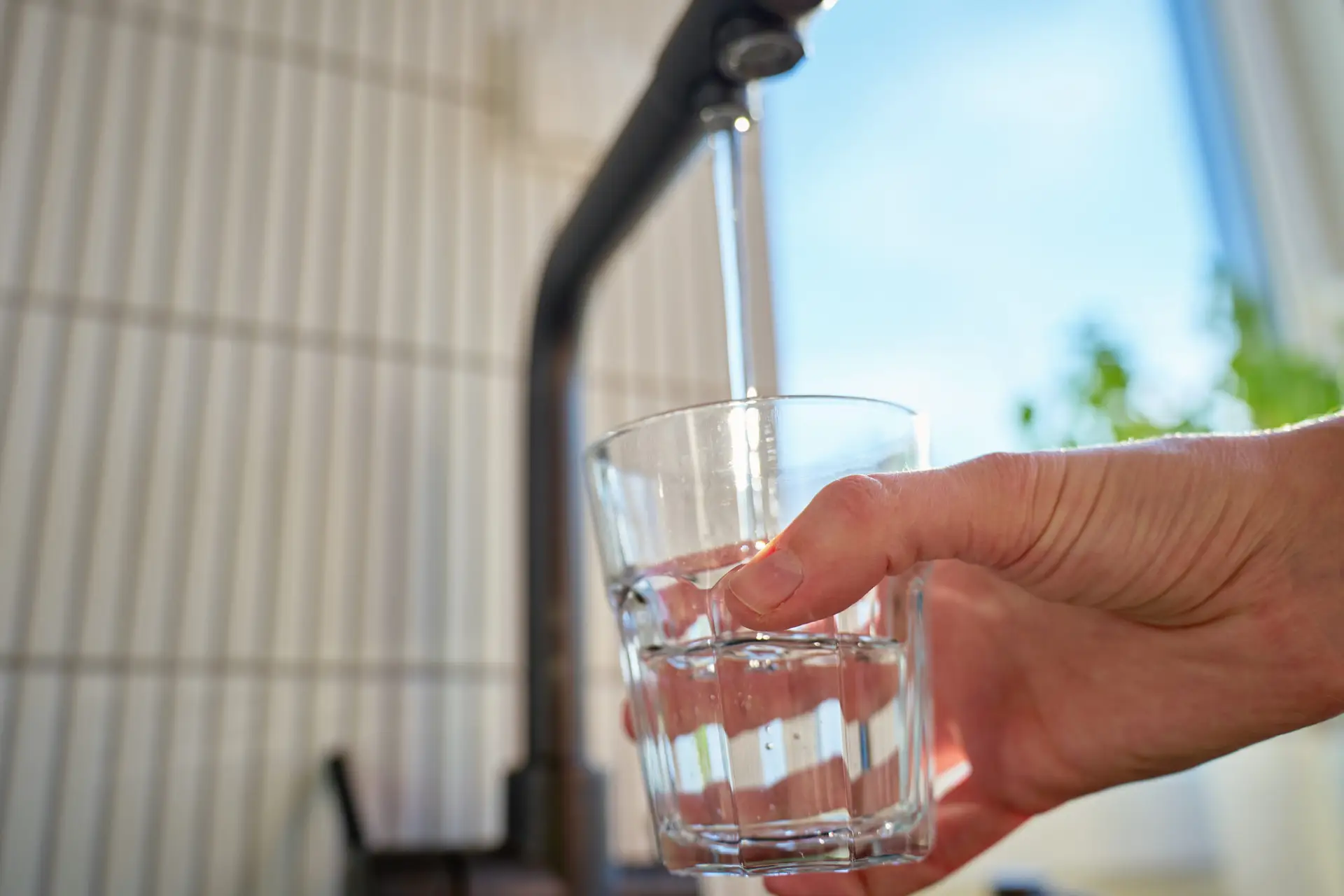
Water testing companies Brooklyn help residents understand what influences the quality of the water flowing from their taps, since drinking water is an essential part of everyday life. Learning how individual building plumbing affects drinking water can help you make informed decisions about your property. Although Bushwick homes often receive water from the same municipal system, the condition of each building’s plumbing can create noticeable differences in water quality.
Bushwick is home to a diverse mix of historic row houses, renovated apartments, multi-family residences, and newer developments. This variety means every property has its own plumbing history. Water that enters one building may travel through completely different pipes, fixtures, and equipment than water entering the building next door. Professional water testing offers valuable insight into the specific conditions inside an individual home instead of relying on assumptions based on the surrounding neighborhood.
Where Bushwick’s Drinking Water Comes From
New York City’s drinking water originates from a protected watershed located outside the city and is treated and monitored before entering the public distribution system. The city’s water is tested regularly at multiple locations throughout the distribution network to help ensure it meets applicable standards before reaching consumers.
Once water enters a building, however, it begins traveling through a private plumbing system. At that point, factors inside the property become increasingly important in determining the characteristics of the water delivered at each faucet.
Building Age Plays an Important Role
Bushwick contains buildings from many different periods of construction. Some homes have undergone complete plumbing renovations, while others retain portions of their original water distribution systems.
Older buildings may contain different pipe materials than modern construction. Renovation projects may also result in a combination of older and newer plumbing components throughout the same property. These differences can influence water quality and explain why neighboring buildings may produce different testing results.
Plumbing Materials Affect Water Characteristics
Water remains in contact with plumbing materials throughout its journey from the service line to household fixtures. Copper, galvanized steel, cast iron, and modern plastic piping each interact differently with water over time.
Every plumbing system develops its own maintenance history. Pipe replacements, repairs, and renovations create unique conditions inside each property. For this reason, drinking water analysis is most meaningful when performed on the specific building where the water is being used.
Corrosion Can Vary Between Homes
Corrosion develops gradually and is influenced by several factors, including pipe material, water chemistry, plumbing age, and daily water usage. Two neighboring homes may experience very different plumbing conditions because one has undergone recent upgrades while another still contains older infrastructure.
Routine inspections and professional testing can provide useful information about the current condition of a home’s plumbing system without relying on visual appearance alone.
Water Heaters Influence Household Water
Every home’s water heater operates under different conditions. Equipment age, maintenance schedules, operating temperatures, and sediment accumulation can all influence the characteristics of hot water.
Because water heaters are unique to each property, differences in maintenance can contribute to variations between homes that receive water from the same public supply.
Water Usage Patterns Matter
Not every home uses water at the same rate. Some buildings are fully occupied throughout the day, while others may have vacant apartments or seasonal residents.
Water that remains inside plumbing for extended periods can develop different characteristics than water moving regularly through an active system. Sampling procedures often account for this by specifying whether water should be collected immediately after stagnation or after flushing the plumbing.
Fixtures Can Influence Water at the Tap
The final section of a plumbing system includes faucets, showerheads, aerators, and valves. These fixtures may accumulate mineral deposits over time or be replaced during renovations.
When professionals perform water quality testing, they carefully select sampling locations because different fixtures can produce different results depending on the objective of the evaluation.
Filtration Systems Differ from Home to Home
Many Bushwick homeowners choose to install filtration systems that suit their individual preferences. Some properties use whole-house treatment systems, while others rely on under-sink filters or refrigerator filtration.
Regular maintenance is essential for any filtration system. Replacing filters according to manufacturer recommendations helps maintain proper performance and supports consistent water quality.
Construction Activity Can Affect Local Plumbing Conditions
Bushwick continues to experience renovation and redevelopment throughout many residential blocks. Utility repairs, nearby construction projects, and plumbing upgrades may temporarily influence water flow within individual buildings.
These activities do not automatically indicate that water is unsafe. However, if homeowners notice changes in appearance, taste, or odor following nearby construction, professional testing can provide objective information about current conditions.
Water Pressure and Internal Plumbing Systems
Water pressure varies between buildings based on plumbing layout, pressure-reducing equipment, pumps, elevation, and overall system design. Pressure differences can affect how water moves throughout a building and may influence the long-term condition of plumbing components.
Each property’s plumbing system responds differently to these conditions, which is another reason why testing should be performed on the individual building rather than assumed from nearby homes.
Why Professional Testing Is Valuable
Professional laboratory analysis provides detailed information about the condition of a property’s water at the time samples are collected. Testing may be useful after purchasing a home, completing plumbing renovations, installing new treatment equipment, or investigating noticeable changes in water characteristics.
Laboratory testing also helps establish a baseline that property owners can reference in the future if plumbing modifications or maintenance are performed.
Practical Tips for Bushwick Homeowners
- Maintain water heaters according to manufacturer recommendations.
- Inspect visible plumbing for leaks or signs of wear.
- Replace aging fixtures when appropriate.
- Service filtration systems on schedule.
- Run infrequently used faucets periodically to reduce prolonged stagnation.
- Arrange professional testing after major plumbing work or before purchasing an older property.
Understanding Test Results
Water quality results should always be interpreted within the context of the building where samples were collected. A neighboring property’s results may not accurately reflect the condition of your home’s plumbing system.
Qualified professionals can explain laboratory findings, discuss any recommended follow-up steps, and help homeowners understand how building-specific factors may influence the results.
Conclusion
Drinking water in Bushwick neighborhoods begins with New York City’s carefully managed public water supply, but each property’s plumbing system creates its own unique conditions before water reaches the tap. Building age, pipe materials, water heaters, fixtures, filtration systems, water usage patterns, maintenance practices, and plumbing renovations all contribute to the characteristics of household water.
If you want a clearer understanding of your home’s drinking water, scheduling professional testing is a practical step. Property-specific laboratory analysis provides reliable information that supports informed maintenance decisions and helps homeowners better understand the condition of their individual water systems.