
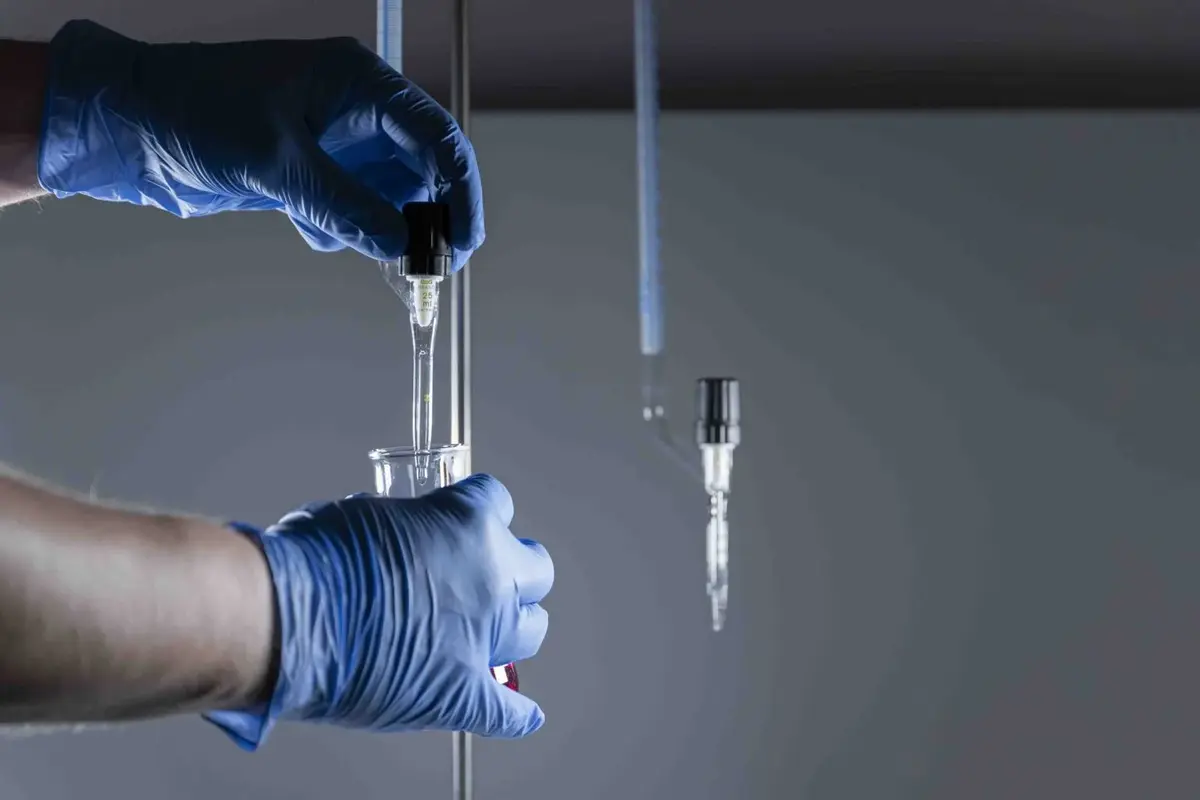
In the commercial real estate landscape of the Bronx, water testing is often viewed as a “box-checking” exercise—a necessary hurdle to clear for building inspections or insurance renewals. However, as we move through 2026, the regulatory and operational environment has shifted. Between the implementation of Local Law 159 and the tightening of federal safety standards, a “pass/fail” result is no longer enough.
For facilities managers, co-op boards, and industrial operators, professional water analysis must provide more than data; it must provide a basis for real operational decisions. Whether you are managing a mid-rise in Mott Haven or a warehouse in Hunts Point, the quality of your water is now a direct reflection of your building’s compliance and liability profile.
The 2026 Shift: From Quarterly to Monthly Compliance
The biggest change for Bronx commercial properties this year is the enforcement of Local Law 159, which took full effect on May 7, 2026. This law significantly raises the bar for building water management, particularly for those with cooling towers.
- Monthly Testing Mandate: Moving beyond the old 90-day cycle, Local Law 159 requires Legionella culture testing every 31 days while systems are in operation.
- Action-Oriented Results: Compliance is no longer just about having a piece of paper. If results exceed 1,000 CFU/mL, building owners must notify the NYC Department of Health within 24 hours and perform immediate disinfection.
- ELAP-Certified Labs: All samples must now be processed by ELAP-certified laboratories approved by the NYC DOHMH. This ensures that the “Real Decisions” you make are based on high-resolution, legally defensible data.
Understanding how these rules apply to various Bronx housing and commercial types is the first step in avoiding the steep civil penalties that began being issued this spring.
Water Stagnation and Hybrid Work Realities
Even if your building doesn’t have a cooling tower, the way we use commercial space in the Bronx has changed. With the persistence of hybrid work schedules in 2026, many office buildings and commercial lofts experience periods of low occupancy.
When water sits stagnant in a building’s risers or horizontal branch lines, disinfectant levels drop, and water quality problems like bacterial biofilm and heavy metal leaching increase. Professional testing services for commercial clients now focus on “Real-Use” sampling—testing at distal points (the furthest faucets from the water entry) to ensure that the water being used by employees and tenants is actually safe, not just the water entering the basement.
Protecting Infrastructure Assets
For a commercial owner, water testing is also an investment in asset protection. The Bronx’s aging pipe network can introduce high levels of sediment and corrosive minerals.
- Boiler and HVAC Health: Regular analysis of closed-loop systems and steam boilers can prevent the “invisible” scale and corrosion that lead to catastrophic tube failures and expensive emergency repairs.
- Piping Longevity: Identifying high corrosivity indices (like a negative LSI) allows managers to adjust chemical treatment plans before “pinhole” leaks appear behind finished walls.
By utilizing a site-specific blog to stay updated on Bronx infrastructure trends, managers can anticipate neighborhood-wide surges in sediment that might require more frequent filter changes or system flushes.
Navigating Neighborhood-Specific Risks
The “Real Decisions” a manager makes in Port Morris might differ from those in Kingsbridge.
- Industrial Zones: Properties near heavy industrial areas or major transit hubs may face higher risks of particulate intrusion during street-level construction.
- Residential/Commercial Mix: In neighborhoods with older locations, the presence of lead service lines—even those under the city’s jurisdiction—can impact the water chemistry of a commercial property.
Commercial owners are increasingly checking an faq dedicated to Bronx-specific mandates to ensure they aren’t missing local nuances that could lead to building compliance failures.
Conclusion: Data as a Management Tool
In 2026, water testing in the Bronx has evolved from a passive requirement to an active management tool. Certified water analysis gives you the clarity to manage your cooling towers, protect your HVAC investments, and ensure the safety of everyone who walks through your doors.
If you are a commercial property owner or facilities manager ready to move beyond “box-checking,” it is time for a professional analysis that matches the scale of your responsibilities. Contact a specialist today to align your water management plan with the latest 2026 standards. In the Bronx commercial market, the best decision you can make is an informed one.