
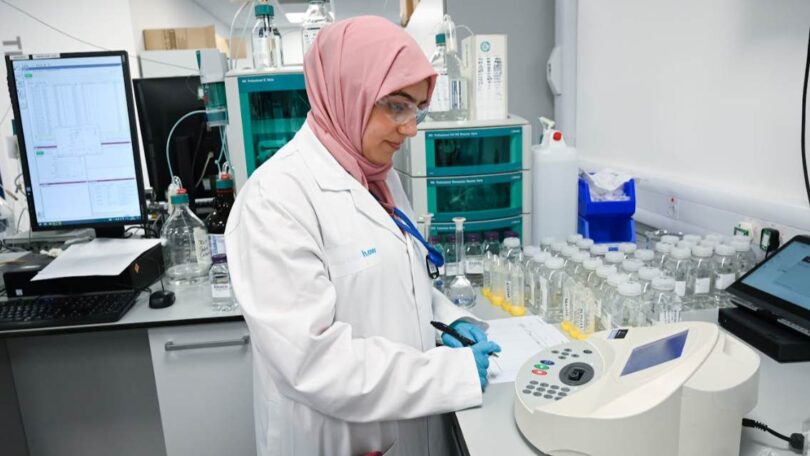
Water testing laboratory NYC is the first step toward ensuring safe drinking water for Bronx families. While New Yorkers often take pride in the city’s water quality, the reality of the ‘last mile,’ the pipes connecting century-old buildings to the main lines, remains a pressing concern. In 2026, lead in drinking water is not just a historic footnote. It is an active public health issue that demands immediate attention from homeowners, landlords, and parents alike.
As new legislative and municipal developments continue to make water safety a headline priority across the borough, understanding the specific risks tied to Bronx housing and aging infrastructure is essential. Identifying hidden contaminants early can help families take informed action toward a cleaner, lead-free future.
The 2026 Lead Service Line Replacement Mandate
The most significant change in 2026 is the introduction of Introduction 0870-2026 by the New York City Council. This landmark bill proposes a 10-year deadline for property owners to identify and replace lead water service lines.
For the many Bronx residents living in properties with “unknown” pipe materials, the clock is ticking. This legislation would require owners to obtain certification that their property is lead-free. While the city is expanding its free replacement pilot programs currently active in Bronx Community Boards 1, 4, 5, 6, 7, 8, and 9 many property owners outside these zones remain responsible for the high cost of replacement. Understanding your locations and your eligibility for these programs is now a financial and legal necessity.
Why the Bronx is Particularly Vulnerable
Lead was a standard material for service lines and plumbing in New York City until it was finally banned in 1961. Because the Bronx features a high density of pre-war apartment buildings and historic single-family homes, the likelihood of lead-bearing infrastructure is significantly higher than in newer parts of the city.
1. Galvanized Steel and Lead “Tails”
Even if a building doesn’t have a full lead service line, it may have galvanized steel pipes. Over time, these pipes trap lead particles released from old city mains or lead “goosenecks.” When the water chemistry shifts or when there is nearby construction, these trapped particles can flake off, causing sudden spikes in water quality problems.
2. Modern Lead Risks
It is a common misconception that only “ancient” pipes are a problem. Until 2014, “lead-free” brass faucets could legally contain up to 8% lead. For families in renovated Bronx apartments, the very fixtures meant to be an upgrade might be leaching lead into their morning coffee or baby formula.
The Health Imperative for Children
There is no “safe” level of lead exposure, especially for children. In 2026, New York State has reinforced this by lowering the “Action Level” for lead in school drinking water to just 5 parts per billion (ppb) a significant drop from the previous 15 ppb.
If our schools are being held to this higher standard, our homes should be as well. Children absorb lead more efficiently than adults, and the neurological damage including lowered IQ, hyperactivity, and learning disabilities is often irreversible. For parents, professional testing services are the only proactive way to identify these risks before a pediatrician finds lead in a routine blood test.
Proactive Steps for Bronx Families
You don’t have to wait for a city mandate to protect your household. The current infrastructure climate in 2026 demands a proactive stance:
- Request a Professional Analysis: While the city offers basic kits, a professional laboratory analysis provides a more granular look at your water, detecting lead at the lower levels now recognized as hazardous.
- Flush Your Pipes: If the water hasn’t been used for several hours, run the cold tap for at least two minutes. This flushes out water that has been sitting in contact with lead-bearing materials.
- Use Cold Water Only: Never use hot water from the tap for drinking or cooking, as heat causes lead to dissolve more quickly into the water.
- Stay Informed: Follow local environmental blog updates to stay aware of water main work in your neighborhood, which can temporarily increase lead levels.
For those still confused about the difference between city-owned mains and privately-owned service lines, our faq section provides a clear breakdown of homeowner responsibilities under the new 2026 laws.
Conclusion
Lead in drinking water is a solvable problem, but it requires the Bronx community to be vigilant. With new 2026 mandates and expanded city replacement programs, the path to lead-free water is clearer than ever, but the journey begins with testing.
If you are concerned about the pipes in your building or want to verify the safety of your tap water, the best time to act is now. Contact a specialist today to ensure your home is a safe haven for your family. In the Bronx, we take care of our own and that starts with the water we drink every day.