
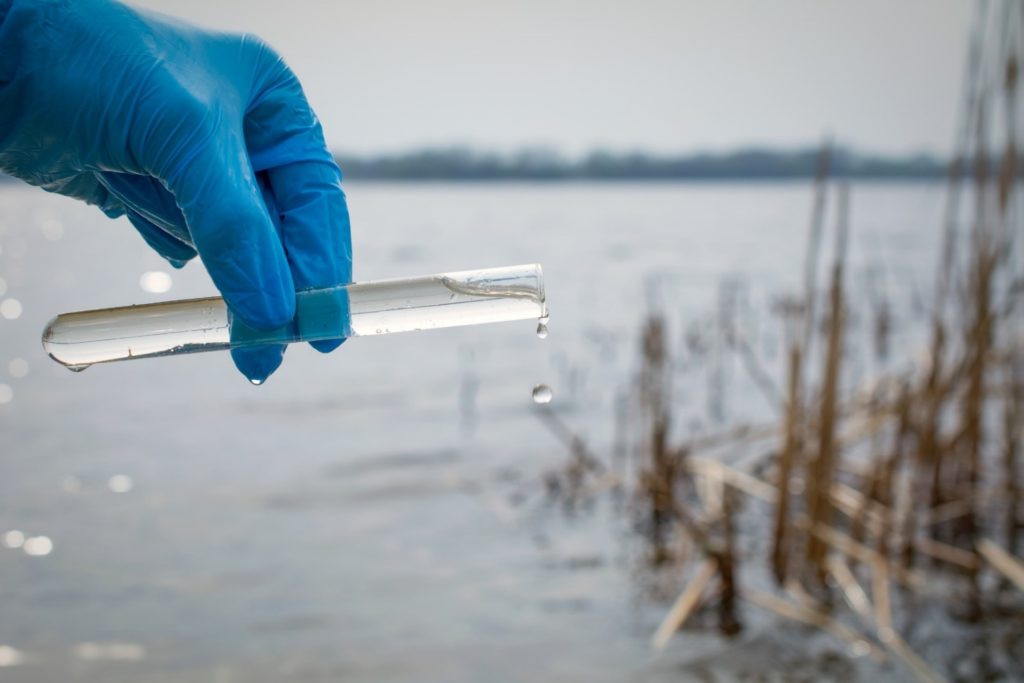
In the Bronx, we often talk about our borough’s future in terms of new developments, rising schools, and economic growth. But the true foundation of that future is the health of our children. As we navigate 2026, it has become impossible to have a serious conversation about water quality without placing the safety of our youngest residents at the very center.
For a child, the “last mile” of water delivery—the journey from the street into the kitchen tap—is the most critical. While New York City’s source water is exceptional, the infrastructure of many Bronx housing types remains a legacy of a time when lead was common. In 2026, protecting children from lead isn’t just a parental duty; it is a matter of community urgency.
The Biological Vulnerability of Bronx Children
Children are not just “small adults” when it comes to environmental toxins. Their bodies are built to absorb. Because they are growing rapidly, their bones, blood, and brains take in lead much more efficiently than an adult’s body would.
- Brain Development: The Centers for Disease Control (CDC) has long maintained that there is no safe level of lead in a child’s blood. Even trace amounts can disrupt the formation of neural pathways, leading to lowered IQ, shortened attention spans, and increased impulsivity.
- Formula Feeding: Infants who are fed formula mixed with tap water are at a particularly high risk. For a newborn, water can account for up to 85% of their total lead exposure.
- Persistent Effects: The damage caused by lead exposure in early childhood is often irreversible, manifesting years later as learning disabilities or behavioral challenges in school.
2026: A Turning Point for Lead Standards
The year 2026 marks a significant shift in how we regulate and monitor lead in the Bronx. New York State has recently enforced one of the strictest standards in the nation for schools and childcare centers, lowering the “Action Level” for lead in drinking water from 15 ppb to just 5 parts per billion (ppb).
This regulatory change reflects a modern scientific reality: the old thresholds were simply not protective enough. For parents in the Bronx, this raises a “hard question”: If my child’s school is now required to take action at 5 ppb, why should I accept a higher level at my own dining room table? This is why water quality problems that were once dismissed as “within limits” are now being re-evaluated by health-conscious families.
Why Neighborhood Data Matters
Lead risk in the Bronx is often tied to the specific age of the local infrastructure. Families in different locations face different levels of risk:
- In high-density areas like Fordham or Mott Haven, the vibration of constant construction and heavy traffic can disturb the internal “scale” of old lead pipes, sending pulses of lead into the water.
- In Riverdale or Pelham Bay, historic single-family homes may still utilize original lead service lines that have been “hidden” behind finished basement walls for decades.
Understanding the specific risks of your neighborhood is essential. Many families stay informed by following a local water quality blog to keep track of city-led pipe replacement programs and neighborhood-specific health data.
Proactive Testing: The Only Way to Know
You cannot see, smell, or taste lead in water. Many parents rely on the “free” kits provided by the city, but in 2026, families are increasingly seeking out professional testing services.
A certified laboratory analysis provides a level of detail that a basic kit cannot. It uses “first-draw” sampling to see exactly what a child is drinking first thing in the morning—the time when lead concentrations are usually at their highest. For parents, this isn’t just about data; it’s about having a definitive answer to a life-altering question. If you’re unsure how the testing process works, a quick look at a Bronx-focused faq can clarify the difference between city-level monitoring and unit-level safety.
Taking Control of the “Last Mile”
While we wait for the city to complete its massive pipe replacement projects, there are steps Bronx families can take today:
- Use Cold Water: Always use cold water for drinking, cooking, and preparing baby formula. Hot water dissolves lead more quickly from pipes.
- Clean Your Aerators: The small screens on your faucets can trap lead-bearing sediment. Unscrew and rinse them every few months.
- Invest in Certified Filtration: If you choose a filter, ensure it is specifically certified by NSF International to remove lead.
Conclusion
Children and lead exposure must remain at the forefront of our water conversations because the stakes are too high to do otherwise. In the Bronx, we are building a borough that is more vibrant and successful than ever before—but that success is only possible if our children are healthy, safe, and protected from the invisible hazards of the past.
If you are ready to ensure your home is a safe environment for your children to grow, the best time to act is now. Contact a specialist today to schedule a certified water analysis. Our children are our most precious resource; let’s make sure the water they drink is worthy of them.