
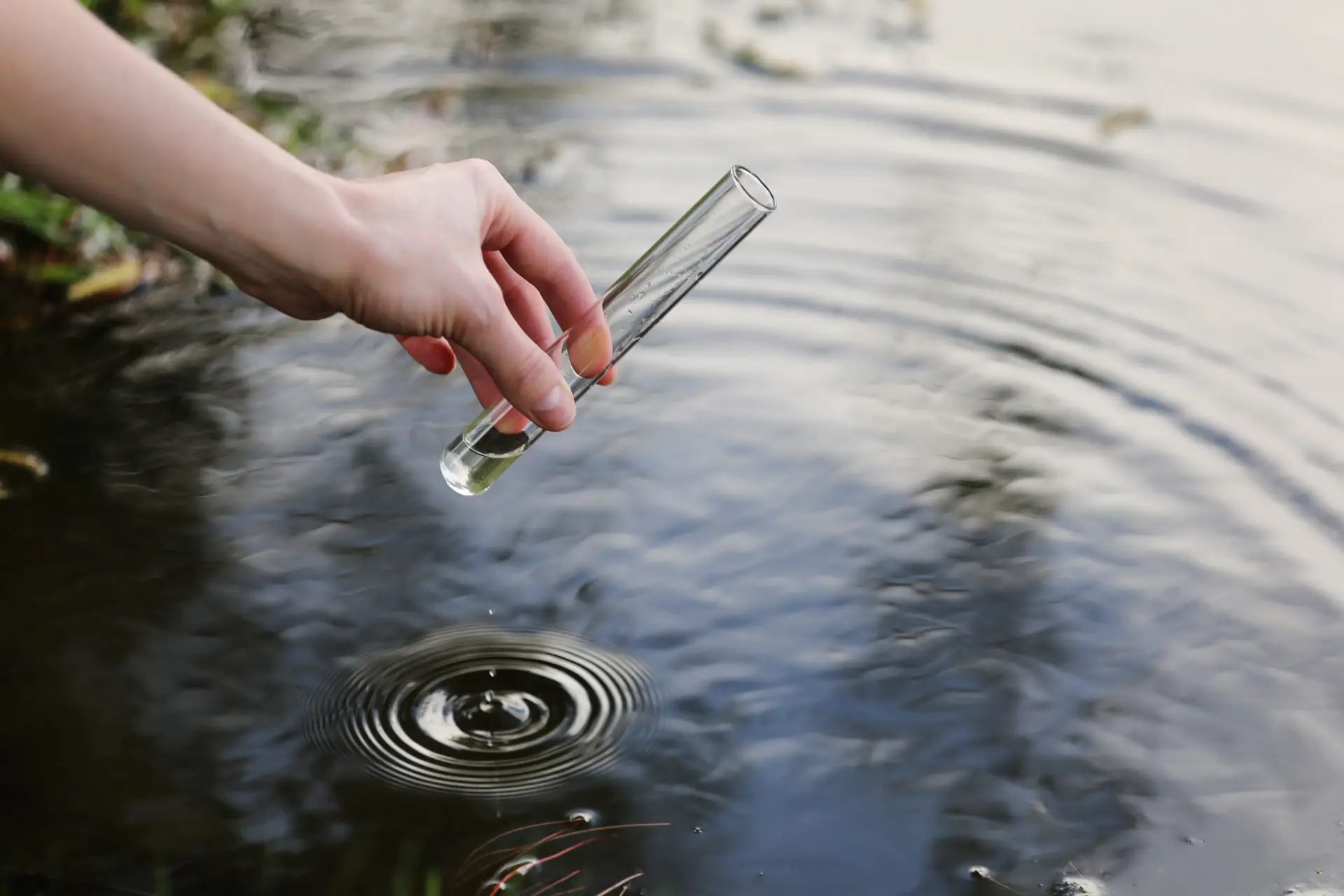
Water quality is a critical concern for apartment buildings and rental housing across the Bronx. While New York City provides treated municipal water that meets regulatory standards at the source, the condition of internal plumbing systems within residential buildings can significantly impact water quality by the time it reaches tenants. For landlords, property managers, and building owners, understanding the importance of professional water testing services is essential for maintaining safe, compliant, and reliable drinking water.
This guide provides a comprehensive overview of water testing services for Bronx apartment buildings, including common water quality issues, testing methods, contaminants of concern, and the role of certified laboratories and professional consultants.
Understanding Water Quality in Bronx Residential Buildings
The Bronx is home to a wide range of residential properties, from older walk-up apartment buildings to large multi-family complexes. Many of these buildings were constructed decades ago and still rely on aging plumbing systems that may contain outdated materials such as lead service lines, galvanized steel pipes, and older fixtures.
Even when municipal water leaves the treatment plant in a safe condition, it must travel through miles of infrastructure before reaching individual units. Once it enters a building, the quality of water can be affected by internal plumbing materials, corrosion, stagnation, and maintenance practices.
This is why water testing services are essential—not just to verify compliance, but to assess actual water quality at the point of use within apartments.
Why Water Testing Is Essential for Rental Housing
Water testing is not just a precaution—it is a critical component of property management and tenant safety. In Bronx rental housing, water testing helps identify potential risks that may not be visible or immediately noticeable.
Protecting Tenant Health
Contaminants such as lead, bacteria, and heavy metals can pose serious health risks, particularly for vulnerable populations including children and elderly residents. Regular water testing ensures that any issues are detected early and addressed before they become a hazard.
Maintaining Regulatory Compliance
Landlords and building managers must meet certain standards related to water safety and habitability. Certified water testing and laboratory analysis provide documented evidence that water quality is being monitored and maintained properly.
Addressing Tenant Complaints
Common complaints such as brown water, metallic taste, or unusual odors can often be traced back to plumbing issues. Professional testing helps identify the root cause and provides clear data to resolve concerns effectively.
Common Water Quality Issues in Bronx Apartment Buildings
1. Lead Contamination
Lead is one of the most serious concerns in older Bronx buildings. Lead service lines, solder, and plumbing fixtures can leach lead into drinking water, especially when corrosion occurs.
2. Corrosion and Heavy Metals
Corrosion in aging pipes can introduce metals such as iron, copper, and manganese into the water supply. This can result in discoloration, staining, and changes in taste.
3. Bacterial Contamination
Stagnant water and poorly maintained systems can create conditions for bacterial growth. Indicators such as total coliform and E. coli are used to assess microbiological safety.
4. Taste, Odor, and Discoloration
While not always harmful, these issues can indicate underlying problems within the plumbing system that require further investigation.
How Professional Water Testing Services Work
Professional water testing services follow a structured process to ensure accurate and reliable results.
Step 1: Site Assessment
Water testing companies begin by evaluating the building’s plumbing system, identifying potential risk areas, and determining appropriate sampling locations.
Step 2: Certified Water Sampling
Samples are collected using standardized procedures to prevent contamination. This may include first-draw samples, flushed samples, and multi-point sampling throughout the building.
Step 3: Laboratory Analysis
Samples are sent to certified laboratories where they are analyzed using advanced methods. These laboratories are accredited and follow strict quality control standards.
Step 4: Reporting and Interpretation
Detailed reports are provided, outlining contaminant levels and compliance status. Water quality consultants interpret these results and recommend corrective actions if needed.
Key Contaminants Tested in Bronx Rental Housing
Lead and Heavy Metals
- Lead
- Copper
- Iron
- Manganese
Bacteria
- Total coliform
- E. coli
- Heterotrophic plate count (HPC)
Water Chemistry Indicators
- pH
- Alkalinity
- Total dissolved solids (TDS)
Emerging Contaminants
- PFAS
- Arsenic
Comprehensive testing ensures that both health-related and aesthetic concerns are addressed.
The Role of Certified Laboratories
Certified laboratories play a central role in water testing services. These facilities use EPA-approved methods and advanced instrumentation to detect contaminants at very low levels.
Laboratory analysis ensures:
- Accurate detection of contaminants
- Compliance with regulatory standards
- Reliable data for decision-making
Without laboratory testing, it is not possible to accurately assess water quality or identify hidden risks within plumbing systems.
Water Testing for Different Types of Bronx Housing
Older Walk-Up Buildings
These properties often have aging pipes and higher risk of lead and corrosion issues. Testing should focus on lead, metals, and corrosion indicators.
Multi-Family Apartment Buildings
Larger buildings require multi-point testing to identify variations in water quality across units and floors.
Renovated or Upgraded Properties
Even after renovations, testing is essential to ensure that new materials are properly integrated and not affecting water chemistry.
When Should Water Testing Be Performed?
Water testing should be conducted:
- Annually as part of routine maintenance
- After plumbing repairs or renovations
- When tenants report water quality issues
- When purchasing or managing a new property
Regular testing ensures that any changes in water quality are detected early.
How Plumbing Systems Influence Water Quality
Plumbing systems are a major factor in determining water quality within residential buildings. Factors include:
- Pipe material (lead, copper, steel)
- Age and condition of pipes
- Water flow and stagnation
- Maintenance practices
Understanding these factors helps property managers take proactive steps to maintain safe water conditions.
Solutions Based on Water Testing Results
Once testing is completed, solutions may include:
- Pipe replacement or upgrades
- Corrosion control treatments
- System flushing and cleaning
- Installation of filtration systems
- Disinfection procedures
Professional consultants provide tailored recommendations based on laboratory findings.
Benefits of Professional Water Testing Services
- Accurate identification of water quality issues
- Protection of tenant health
- Compliance with safety standards
- Improved tenant satisfaction
- Long-term cost savings through preventive maintenance
Choosing a Professional Water Testing Company in the Bronx
When selecting a water testing provider, look for:
- Certified and accredited laboratories
- Experience with residential buildings
- Knowledge of Bronx housing infrastructure
- Clear reporting and expert consultation
Working with experienced professionals ensures reliable results and effective solutions.
The Importance of Ongoing Water Quality Monitoring
Water quality is not static—it can change over time due to aging infrastructure, repairs, and environmental factors. Ongoing monitoring helps ensure that water remains safe and consistent.
For Bronx apartment buildings and rental housing, a proactive approach to water testing is essential. Regular testing, combined with professional analysis and expert guidance, provides peace of mind for both property owners and tenants.
Conclusion
Water testing services are a vital part of maintaining safe and reliable drinking water in Bronx apartment buildings and rental housing. While municipal water may meet safety standards at the source, internal plumbing systems can significantly impact water quality at the point of use.
By investing in professional water testing services, certified laboratory analysis, and expert consultation, property owners and managers can identify risks, address issues, and ensure that tenants have access to clean, safe drinking water.
In a borough with a diverse range of residential properties and aging infrastructure, proactive water testing is not just a best practice—it is a necessity for long-term building management and tenant safety.